A Demonologist's Appendix
The almanac of demons ambiguously associated with Solomon Page.
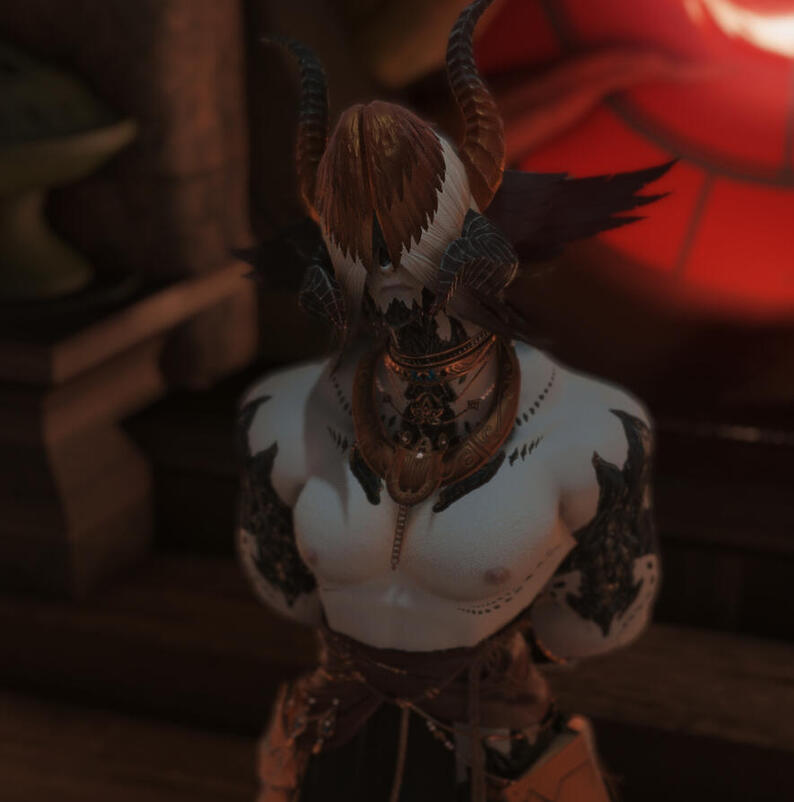
⸻ 𝐘𝐔𝐑𝐀𝐄𝐋 𝐓𝐇𝐄 𝐑𝐀𝐃𝐈𝐀𝐍𝐓 classification : demon (choir of shek)
residence : reliquary
gender : masculine
origin : lower hells
domains : doors, dreams, fertility, knowledge, mirrors
services : purveyor of occult lore and boonsOur Immaculate of the Measure
Caliph of the House of Boundless Love
Emissary to the Pale Chantry and the Sovereign of Doors
Custodian to the Wailing Gardens of Womb-and-Rot
Patron to the Mournful Fellow-Soldiers of the Copper King
and the Last Light and Shame of Kar-kazesh
Writings on Yurael the Radiant date back to the city-state of Kar-kazesh in the second astral era’s great age of prayer where, as most burgeoning civilisations began dedicating themselves to the Twelve, Kar-kazesh belonged to a smaller group of unrelated tribes and people who chose instead to worship various ‘wild spirits’ and otherworldly forces (some domestic, some voidal, some Other) and, in their particular example, made Yurael (depending on the source) either the high priest, priest-king, or patron deity of the city-state, who became the chief force behind the city's focus on wisdom, especially in the fields of astronomy and agriculture.
During the third astral era, early Allagan writings use Yurael and Kar-kazesh, among many other examples, as evidence to the dangers of relying on the fickleness of petty gods, and make ambiguous references to him being the eventual doom and shame of the city.
Right at the cusp of the War of Magi and the sixth umbral, the neutral Amdapori chronicler, Iellissi the Scribe, writes about a figure sharing the same name, byname, and titles worn by Yurael. According to her account, he is brought forth from the ‘Lightless Deep’ by one of Mhach’s prestigious arcane camarilla and ritually wed-and-bound to a Mhachi sorceress who eventually slays his material form and uses his bones to 'break time' (scribe note, in margin: this is most certainly an incorrect conflation of two unrelated events).
In 755, a Gelmorran prince¹, fatigued by their people’s pleas and suffering and the endless silence of their gods, leaves their thaig on a pilgrimage into the furthest corners of the underearth. Two years later, they return, and eleven years after that, a scholar arrives at the gate of a neighbouring thaig, fleeing his home. He writes: "in Gelmorra’s fathomless deeps, there are shadows so dense and dark as to have weight, fingers, and mouths to crawl inside and whisper what it wants from you. When our prince returned with that simple, iron band, they wore it wrongly: as a crown around their head, instead of the yoke it was made to be, wrapped around the neck of our whole city. There is only wailing, now, in Once-Noble RHI-AHK-TEHL.”
In 1579, a La Noscean scholar emerges from a three-week expedition in Gelmorra. What remains of the crew is left ragged with long, tunnelled stares and eyes that seem too scared to blink. He pays them their owed dues and departs, something new weighing down his pack.
¹ ‘prince’ being a genderless title in Gelmorra, thus leaving it ambiguous but largely unimportant.
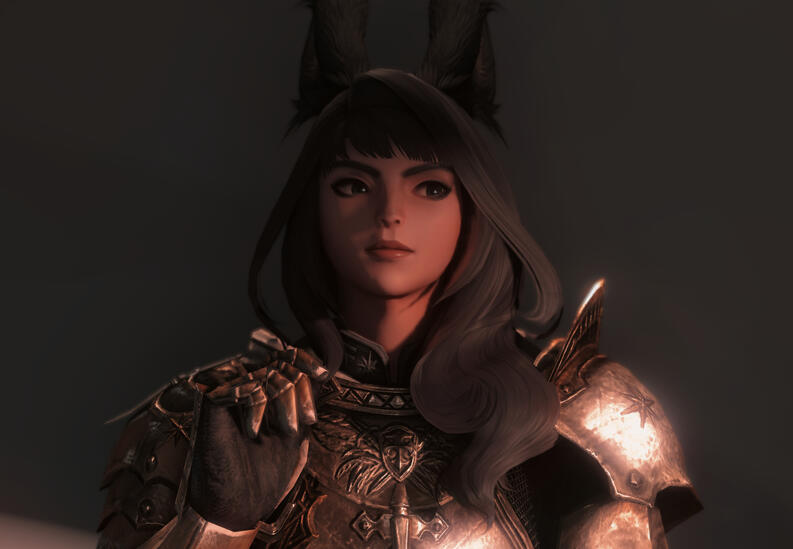
⸻ 𝐒𝐄𝐘𝐘𝐀𝐋, 𝐃𝐀𝐋𝐌𝐀𝐒𝐂𝐀❜𝐒 𝐃𝐄𝐋𝐈𝐆𝐇𝐓 classification : daemonhost
residence : seyyal-pasha (viera)
gender : feminine (host)
origin : upper hells ('the void')
domains : war, huntsmanship, jungles, betrayal, statecraft
services : protection, murder, destruction, fearMaster of Ceremonies of the Painted Feast
Viceroy of the Orchard of Fifty Fingers
Sergeant to the Rhythm of the 74th Host of Ul-Basrat
and Hollow Groom to Seyyal-Pasha, Sipahi of Dalmasca
Seyyal-pasha of Dalmasca was a famous, influential, and much-decorated sipahi before Garlean occupation. According to reports, Solomon served alongside Seyyal and other resistance groups in Dalmasca Inferior.
Investigating intelligence brought by Solomon, a contingent of auxilia including the pair delved into a series of catacombs beneath Leá Monde, but only Solomon and Seyyal returned.
Following this incident, the efficacy of their cell's tactics saw substantial increase, though there are some rather disturbing rumours regarding behaviours and actions on their part.
When Solomon eventually departed from the region, Seyyal followed. She remains in service to him as both attendant and bodyguard.
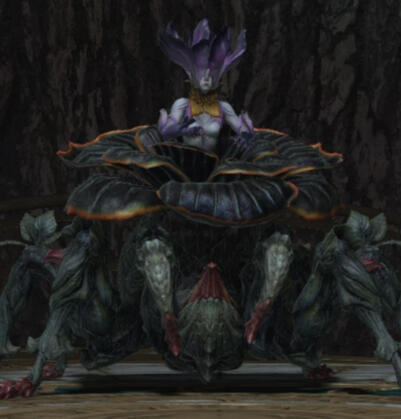
⸻ 𝐌𝐄𝐇𝐍𝐈𝐀𝐌 𝐎𝐅 𝐓𝐇𝐄 𝐄𝐍𝐃𝐋𝐄𝐒𝐒 𝐄𝐌𝐁𝐑𝐀𝐂𝐄 classification : demon (choir of aresh)
residence : reliquary (previously heiri sakurai)
gender : androgynous
origin : upper hells ('the void')
domains : fungi, agriculture, enlightenment,
community, rot, longevity
patron of : farmers, hedge witches,
vagrants, hags, insurrectionists, the sick and lameBearer of the Long Hour
Abbess of the Fruiting Tombs
Crooked Clutch of Thorn-and-Barrow
Governor of Lawt-Beneath-Loam
Pontifex of Blight and First Beloved
to the Witches of the Blackmilk Estates
Only a single scholarly account has been found tied to Mehniam, and only within the last few months, suggesting that it is a relatively young entity. However, novel manifestations such as it have a certain appeal, especially to younger practitioners, who hope it will be able to bestow more of its time, attention, and blessings onto the individual in question.
Due to this, the account collated a spree of minor contemporary sects and cults looking to earn the entity’s favour, especially among rural hedge-covens and remote villages still practicing traditional forms of animism.
Mehniam is regarded by its invokers as dubious at best: sometimes a trickster figure that torments a village to teach it some more valuable truth, while in others a capricious nature devil that blesses the harvest to grow bountifully only for the villagers to suffer various maladies when partaking of its fruits.

⸻ 𝐈𝐒𝐇𝐊𝐈𝐀𝐄𝐋 𝐓𝐇𝐄 𝐒𝐔𝐁𝐋𝐈𝐌𝐄 classification : daemonhost
residence : augustino di uberti (werlytian raen)
gender : andro-masculine (host)
origin : upper hells ('the void')
domains : games, revelry, perfume, oaths, metamorphosis, harvest, the yoke
patron of : slaves & servants, huntsmen, addicts, anyone starved, lonely, or desperateOur Thrice-Crowned Fever of Gasp-and-Groan
Lord-Huntsman of the Endless Evening
Patron to the Sisters of Unmaking Delight
Royal Houndmaster of the Kennels of Qah-Ra
Viceroy to the Redslick Apiary
Harlequin-Prince of the Perfumed Parlours
And of the House of Copper-and-Milk and Boundless Love.
https://sublime.crd.co/
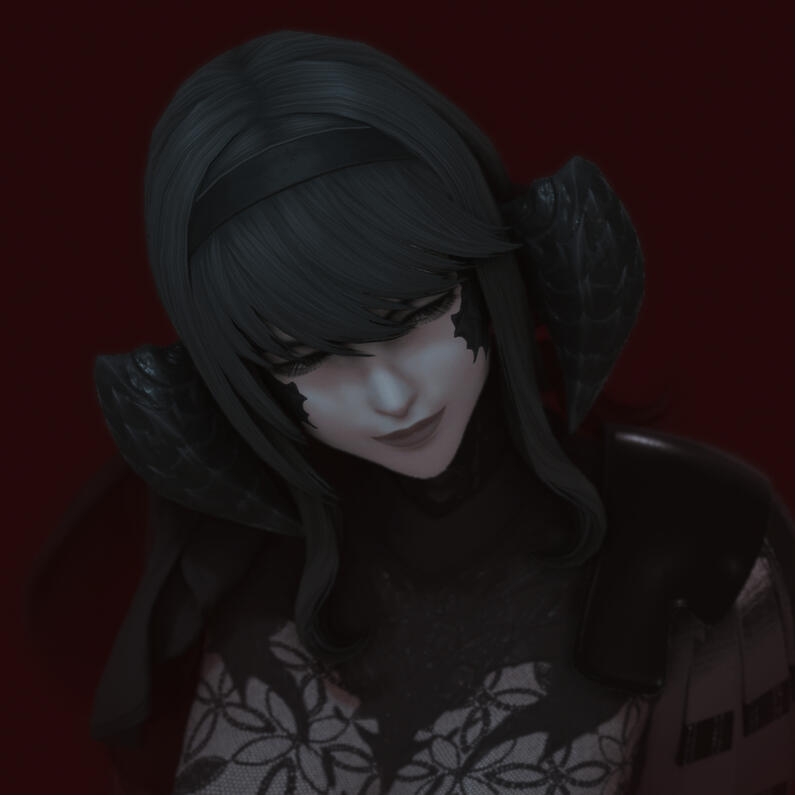
⸻ 𝐓𝐒𝐂𝐈𝐀𝐒𝐇𝐊𝐀, 𝐓𝐇𝐄 𝐂𝐑𝐎𝐎𝐊𝐄𝐃 𝐃𝐀𝐔𝐆𝐇𝐓𝐄𝐑 classification : demon (choir of shek)
residence : solomon's shadow; the black of his eyes
gender : feminine
origin : upper hells ('the void')
domains : knowledge, dreams, youth, catharsis, hospitality, fellowship, indulgence
patron of : cutthroat lovers, sex workers, ambitious young lords, lantern-makers, adulterers, bastards, handmaidens, lost children, widowsAbbess of the House of Boundless Love
Sister Isolet of the Aneskan Order
Mother-Superior of the Blacklight Orphanage
And Proprietress of Hieronyma's Carnival
of Catharsis and Curiosities
TBA
Sigrots
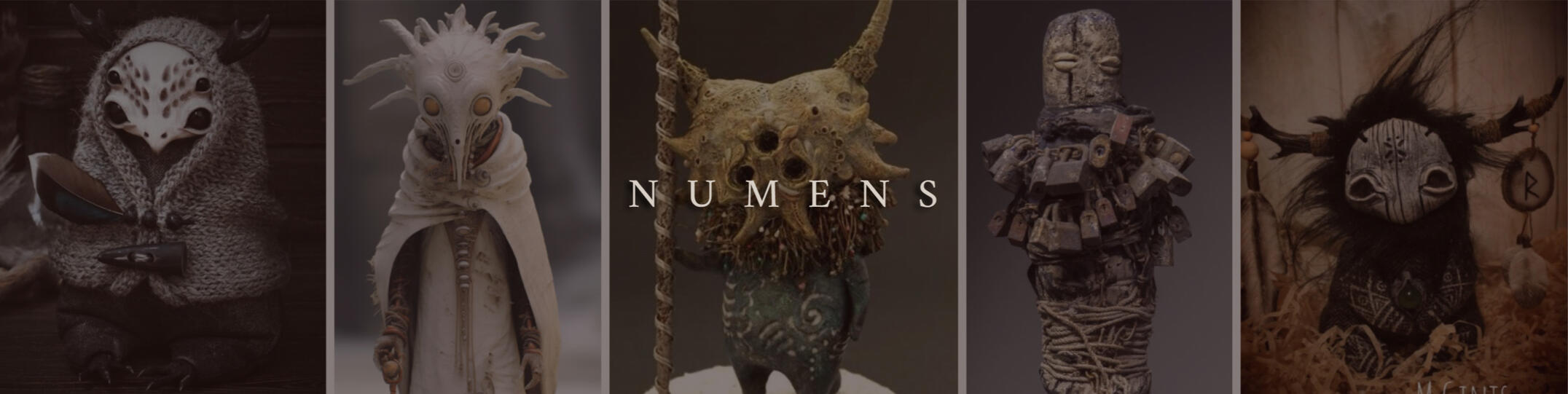
⸻ 𝐒𝐈𝐆𝐑𝐎𝐓𝐒, 𝐀𝐍 𝐎𝐂𝐂𝐔𝐋𝐓 𝐖𝐎𝐑𝐊𝐅𝐎𝐑𝐂𝐄Short for sigil-grot, a sigrot is a subtype of goblin most abundantly found in the northern climes of Dravania and Coerthas as well as the warren federations in Upper and Lower Gelmorra. Due to a historical, philosophical disagreement with their common ancestor, they have eschewed their obsession with technology in favour of the occult and arcane. Assuming they are given a steady source of mental stimulation and food (not picky eaters, either), they are clever, easily-satisfied, and quickly-trained for the more mundane tasks and errands required by warlocks and occultists. Lawful and orderly to a fault, a properly-maintained & propagated coven-clan will follow its contract accurately, precisely, and obediently, as will its ancestors, until the other beneficiary of said contract creates an infraction (no matter how minor). Most of their contractual stipulations concern the care and maintanence of their 'numen-enclosures' and 'sage-warrens.'Due to generations of exposure to aetherically-dense environments and a culture steeped in the occult, rituals, and ceremony, sigrots are unfortunately prone to large amounts of chimerism and aether mutation, leading to a large range of physical and mental variance, but are otherwise profoundly-suited to resisting imbalances in their aetherical distribution.
Numen-enclosures. Believing that mortal bodies are maladapted to retaining the divine spark they are born with, a sigrot will construct what is known as a 'numen' upon their coming of age. A small figure or poppet made from various materials - bone, wood, stuffed burlap & linen, horn, and whatever decorative elements that their artistic inspiration calls for - a 'numen' is considered to be their true, enlightened self, and their bodies merely golems to enact their will (which imparts upon them a certain, renowned fearlessness in the face of otherworldly terror). Each sigrot in turn will carry a a massive, almost house-shaped chest on their back that will act as their numen's 'home' along with all of the various tools, curios, and collectibles of their trade. It is advised to never touch a numen or its enclosure without the concerned sigrot's explicit permission.
Sage-warrens. Although normally nomadic 'within the wild,' contracted sigrots will often insist on an area or plot of land dependent on the size of the clan to dig out a warren of its own design. These often end up cramped, laybrinthine, rough-hewn tunnels whose walls are covered in endless, runic scrawls that appear seemingly-meaningless to outsiders. Usually, the uninvited entering of such a warren by a signatory of their contract or by any of their perceived subordinates are considered a contractual violation, and in the unlikely event that they are not murdered within the tunnels, their agreement is considered null and void until the offending party is caught and punished. There have been situations where this did not necessitate execution.
Services. Solomon has previously utilised these little fellas to perform occult tasks usually too menial for a full-fledged practitioner to bother with. These would normally include performing the various, repetitive, sometimes daily rites and rituals to keep otherworldly prisoners calm and subdued (example: L14C3's Memory Echo which requires a silver hourglass within the sanctum to be turned every day at the exact moment of noon to prevent temporal bleed).
Precautions. Due to their cultural nuances and sensitivity, education and training is important when dealing with them, specifically in regards to their numens and warrens which is, in effect: leave them alone.